
How to prepare moi moi with fish and egg inside
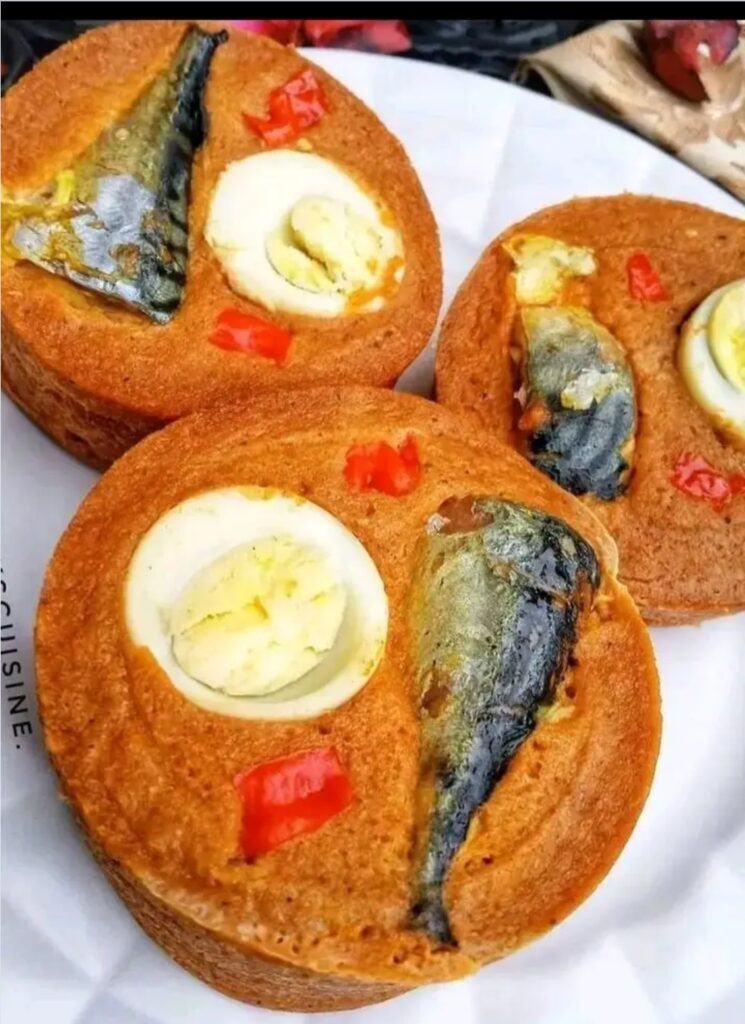
Moi moi (also called moin-moin or moyin-moyin) is a classic Nigerian steamed bean pudding. Here’s a straightforward recipe for the version with fish and hard-boiled egg inside.
Ingredients (makes about 6–8 portions)
2 cups (about 300–400 g) dried black-eyed peas or brown beans (honey beans / ewa oloyin)
1–2 red bell peppers (tatashe)
1–2 scotch bonnet / habanero peppers (atarodo), adjust to taste
1 medium onion
2–3 tablespoons ground crayfish
¼–½ cup vegetable oil (or a mix of vegetable + a little palm oil)
2–3 seasoning/bouillon cubes or 1–2 teaspoons bouillon powder
Salt to taste
Optional: a little ginger, curry powder, or paprika for extra flavour
Cooked fish (smoked fish, mackerel, or any firm fish), deboned and flaked or cut into chunks (about ¾–1 cup)
3–6 hard-boiled eggs (whole, halved, or sliced)
Containers
You can use:
Banana leaves or uma leaves (traditional)
Aluminium foil
Greased ramekins, small bowls, or foil containers
Step-by-step method
Peel the beans
Soak the beans in water for 15–30 minutes (or longer if very dry). Rub them between your hands or pulse briefly in a blender with water so the skins come off. Rinse repeatedly until the beans are clean and mostly white. Drain well.
Blend the base
Put the peeled beans, red bell peppers, scotch bonnet, and onion into a blender. Add a little water (just enough to blend) and blend until very smooth — the smoother the better for a soft texture.
(Some people also blend in the crayfish or a piece of the fish at this stage.)
Season the batter
Pour the smooth paste into a bowl. Add the ground crayfish, oil, crushed seasoning cubes, salt, and any optional spices. Mix thoroughly for a few minutes. The batter should be like a thick but pourable cake batter — add a little more water or fish stock if it’s too thick. Taste and adjust seasoning (it will be stronger after steaming).
Prepare the fillings
Hard-boil the eggs, peel them, and leave whole or cut in half/slices.
Prepare the fish: if using smoked fish, wash and remove bones; if using fresh fish, season and cook lightly, then flake and remove bones.
Fill the containers
Lightly oil your leaves, foil, or ramekins.
Spoon some batter into each container (about ½ to ¾ full).
Place a piece of fish and a piece of boiled egg in the centre.
Cover with a little more batter if desired.
Fold the leaves into a cone/packet or seal the foil tightly so nothing leaks. If using ramekins, cover with lids or foil.
Steam
Pour 1–2 cups of water into a large pot (enough so it doesn’t dry out but the containers aren’t swimming). Place a layer of leaves, sticks, or a steamer rack at the bottom so the packets don’t sit directly on the heat.
Arrange the moi moi packets or ramekins in the pot. Cover tightly and steam on medium heat for 45–60 minutes.
Check occasionally and add a little more hot water if needed. It’s done when a toothpick or knife inserted into the centre comes out clean.
Serve
Let them cool slightly, then unwrap. Serve hot or warm with pap (ogi/akamu), agege bread, rice, or on its own.
Tips for success
Smooth batter = soft, fluffy moi moi. A powerful blender helps.
Don’t overfill the containers — the mixture expands a bit.
Traditional leaf wrapping adds a lovely aroma.
You can mix the flaked fish into the batter instead of (or as well as) placing chunks inside.
Leftover batter keeps in the fridge for a day or two, or freeze for longer.
Enjoy your homemade moi moi with fish and egg!
How to make coconut rice with fried chicken
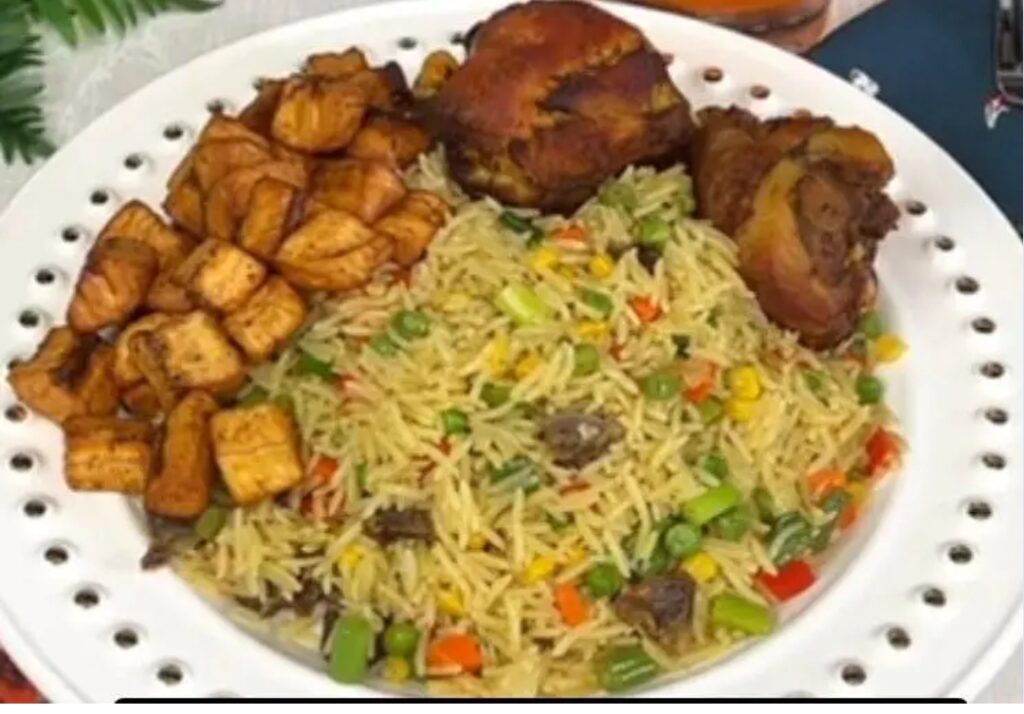
Coconut rice with fried chicken is a popular, flavorful combination—especially in Nigerian and West African cooking, as well as Southeast Asian styles like nasi lemak. Below is a reliable, home-cook-friendly Nigerian-style version: fragrant coconut rice cooked with stock and mild spices, paired with crispy, well-seasoned fried chicken.
Serves 4–6. Total time: about 1–1.5 hours.
Ingredients
For the Fried Chicken
1–1.5 kg (2–3 lbs) chicken pieces (thighs, drumsticks, or mixed; bone-in preferred for juiciness)
1 medium onion, chopped or blended
2–3 garlic cloves, minced
1-inch piece ginger, grated or minced
1–2 tsp curry powder
1 tsp thyme (dried)
1–2 seasoning cubes (Maggi/Knorr) or 1–2 tsp bouillon powder
1 tsp paprika or cayenne (optional, for color/heat)
Salt and black pepper to taste
1–2 cups all-purpose flour (or a mix of flour + cornstarch for extra crispiness)
Oil for deep or shallow frying
For the Coconut Rice
3 cups long-grain parboiled or basmati rice, rinsed until water runs clear
1 can (400 ml) full-fat coconut milk
1½–2 cups chicken stock (from cooking the chicken) or water
1 medium onion, finely chopped
2–3 garlic cloves, minced
1 tsp curry powder
½–1 tsp dried thyme
1–2 bay leaves (optional)
1–2 seasoning cubes or salt to taste
2–3 tbsp vegetable or coconut oil
Optional add-ins: mixed vegetables (carrots, peas, green beans), diced bell peppers, or a small amount of blended scotch bonnet for mild heat
Method
- Season and cook the chicken (for stock + frying)
Season chicken thoroughly with onion, garlic, ginger, curry powder, thyme, seasoning cubes, paprika/cayenne, salt, and pepper.
Place in a pot with a little water (just enough to cover partially). Cover and steam/cook on medium heat for 10–15 minutes so the spices penetrate. Add more water if needed and cook until the chicken is almost tender and you have good stock (about 20–30 minutes total, depending on size).
Remove chicken pieces and set aside to cool slightly. Reserve the stock for the rice.
Pat the chicken dry. Dredge in seasoned flour (mix flour with a pinch of salt, pepper, and optional paprika). - Fry the chicken
Heat enough oil in a deep pan or pot to 175–180°C (350°F).
Fry chicken in batches until deep golden brown and crispy (8–12 minutes depending on size; internal temperature should reach 75°C/165°F).
Drain on a wire rack or paper towels. For extra crispiness, you can double-fry (fry once, rest, then fry again briefly). - Make the coconut rice
Heat oil in a large pot over medium heat. Sauté chopped onion until soft and translucent (3–4 minutes). Add garlic and cook 30–60 seconds until fragrant.
Stir in curry powder, thyme, and bay leaves (if using) for 30 seconds.
Add the rinsed rice and stir for 1–2 minutes to coat the grains.
Pour in the coconut milk and 1½–2 cups reserved chicken stock (the liquid should sit about 1–2 cm / ½–1 inch above the rice). Add seasoning cubes or salt to taste.
Bring to a boil, then reduce heat to low, cover tightly, and simmer 18–25 minutes until the liquid is absorbed and rice is tender. (Do not stir while cooking.)
Optional: In the last 5 minutes, gently fold in mixed vegetables if using.
Turn off heat and let the rice steam (covered) for 5–10 minutes. Fluff with a fork. - Serve
Spoon the fluffy coconut rice onto plates. Top or serve alongside the crispy fried chicken.
Common accompaniments: fried plantains, coleslaw, salad, or a simple pepper sauce.
Tips for Success
Crispy chicken: Pat dry thoroughly before flouring, don’t overcrowd the pan, and maintain oil temperature. Resting the floured chicken 10–15 minutes before frying helps the coating stick.
Fluffy rice: Rinse rice well, use the right liquid ratio (coconut milk is richer, so slightly less total liquid than plain water), and avoid stirring while it cooks.
Make-ahead: Chicken can be seasoned and steamed ahead; fry just before serving. Rice reheats well with a splash of water or stock.
Variations: Add shrimp or mixed seafood to the rice for a surf-and-turf version. For a lighter option, air-fry or bake the chicken. For a more Southeast Asian twist, add pandan leaves to the rice and serve with sambal and cucumber.
Spice level: Keep it mild for family meals or add blended scotch bonnet/habanero to the rice or a side sauce.
This combination is aromatic, creamy from the coconut, and satisfying with the crunchychicken.
How To Prepare Oha soup with meat
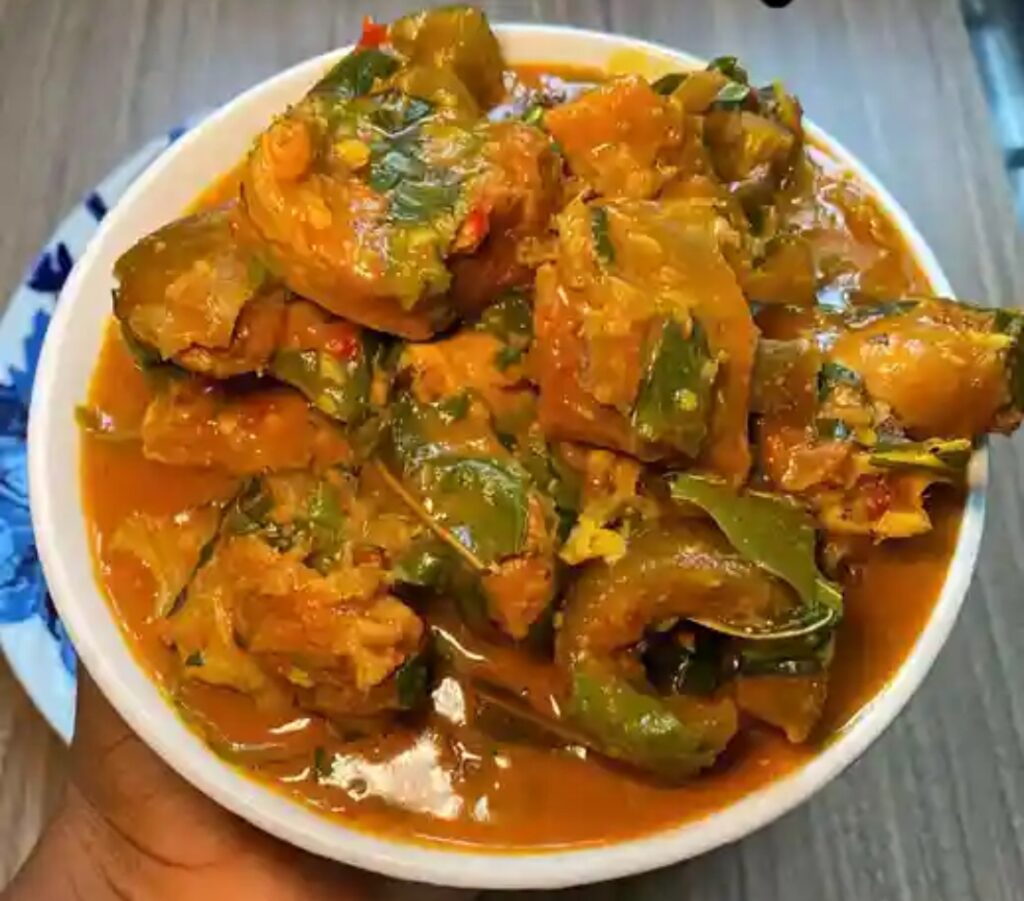
Oha soup (Ofe Oha / Ora soup) is a classic Igbo (southeastern Nigerian) soup made with tender oha leaves, thickened traditionally with cocoyam (ede), and enriched with assorted meats, stockfish, dry/smoked fish, palm oil, and crayfish. It has a rich, savory flavor and is typically eaten with swallows like pounded yam, fufu, eba, or semolina.
Here is a reliable, traditional-style recipe with meat (serves 4–6). Quantities are flexible—adjust to taste and what you have available.
Ingredients
Proteins (assorted for best flavor):
1–1.5 kg (2–3 lbs) assorted meats (beef, goat meat, shaki/tripe, ponmo/cow skin, etc.), cut into bite-sized pieces
1 cup stockfish pieces (pre-soaked in warm water until softened)
1 medium dry/smoked fish (cleaned, deboned if preferred)
Thickener & base:
6–10 medium cocoyam (ede) tubers (or ½–1 cup cocoyam paste/flour; alternatives: achi or ofo dissolved in water)
½–1 cup red palm oil (or palm fruit extract for a more traditional version)
Leaves & seasonings:
2–3 cups / 1 large bunch fresh oha leaves (washed; tear by hand—do not cut with a knife, as it darkens them and affects flavor)
Optional: handful of uziza leaves (sliced) for aroma
3–4 tbsp ground crayfish
1–2 tbsp ogiri Igbo (fermented locust bean paste—highly recommended for authentic depth)
1–2 scotch bonnet/habanero peppers (or to taste), blended or chopped
2–3 seasoning cubes (Maggi/Knorr)
Salt to taste
1 medium onion (optional, for cooking the meat)
Water or meat stock as needed (about 6–8 cups total)
Step-by-Step Method
Prepare the cocoyam thickener (do this while the meat cooks or ahead):
Wash the cocoyam and boil whole (skins on) in water until very soft (20–30 minutes—a fork should pierce easily). Peel while hot, then pound in a mortar/pestle or blend into a completely smooth, lump-free paste. (Tip: A little palm oil while pounding helps smoothness.) Set aside.
Shortcut: Use ready cocoyam paste/flour mixed into a smooth slurry with a little water or stock.
Cook the meats and stock:
Season the tougher meats (shaki, ponmo, etc.) with onion (if using), 1 seasoning cube, and a little salt. Add enough water to cover and cook until nearly tender. Add softer meats (beef/goat), the pre-soaked stockfish, and more water if needed. Continue cooking until all meats are tender and you have a flavorful stock (total 45–90 minutes depending on the cuts; pressure cooker speeds this up). Add the dry/smoked fish toward the end so it doesn’t break apart too much. Reserve the stock.
Build the soup:
To the pot of cooked meats and stock, add the palm oil, ground crayfish, blended/chopped peppers, remaining seasoning cubes, ogiri (dissolve it first if needed), and salt. Stir well and simmer for 5–10 minutes so the oil integrates and flavors develop.
Taste and adjust seasoning.
Thicken:
Add the cocoyam paste in small scoops or marble-sized balls, stirring continuously so it dissolves smoothly without lumps. Simmer 5–10 minutes until the soup thickens to your liking (it should be rich but not paste-like). Add a little hot water or stock if it becomes too thick.
Finish with the leaves:
Add uziza leaves first (if using) and cook 1 minute. Then gently stir in the hand-torn oha leaves. Cook only 1–3 minutes more—just until the leaves wilt but stay vibrant and slightly textured. Do not overcook. Turn off the heat.
Serving
Serve hot with pounded yam, fufu, eba, amala, or any preferred swallow. The soup thickens further as it cools; add a splash of water when reheating.
Tips for Best Results
Fresh oha leaves are key—look for them at African markets. Tear by hand only.
Cocoyam gives the classic smooth, slightly stretchy body; achi/ofo are acceptable substitutes if cocoyam is unavailable.
Ogiri and stockfish add authentic umami depth—don’t skip if possible.
Some versions use palm fruit extract instead of (or with) palm oil for richer color and flavor.
Make it milder or spicier by adjusting the peppers.
Leftovers keep well in the fridge (3–4 days) or freeze; the cocoyam will set, so loosen with water when reheating.